
Fighter Fire Game – Action-Driven Arcade Mechanics Explained
BigMumbai.Casa Fighter Fire is a fast-paced arcade-style action game built around aerial combat, continuous motion, and instant visual feedback. The game focuses on reflex-based interaction, screen awareness, and timing rather than complex controls or long tutorials.
On informational and demo platforms, Fighter Fire is often showcased as an example of how modern arcade shooting games are structured visually and mechanically. Its simple layout, clear objectives, and energetic animations make it easy to understand even for first-time viewers.
This article explains how Fighter Fire works, how its core systems are designed, and why this type of game remains popular in digital entertainment environments.
Core Gameplay Overview

At its core, Fighter Fire puts the player in control of a combat aircraft that moves across a screen filled with constant action. Enemies, obstacles, and visual effects appear in a continuous flow, requiring quick reactions and steady focus. This nonstop presentation creates a strong sense of speed and urgency, making each moment feel active and keeping the player fully engaged throughout the gameplay experience.
Key gameplay elements include:
- A moving aircraft controlled by simple directional inputs
- Automatic or semi-automatic firing mechanics
- Multiple enemy waves appearing in patterns
- Clear hit, damage, and elimination effects
The goal is not to follow a story but to survive, react, and clear targets efficiently within each round.
Visual Design and Interface Structure
One of the strengths of Fighter Fire is its clean and readable interface. Important information is always visible without overwhelming the screen.
Typical interface components include:
- Player aircraft positioned near the bottom of the screen
- Incoming enemies from the top or sides
- Explosion and hit animations for feedback
- Score or progress indicators placed clearly
This layout helps players instantly understand what is happening, even without prior experience.
Action Rhythm and Game Flow
Fighter Fire follows a continuous action loop. Instead of slow turns or waiting phases, the game keeps moving at a steady pace.
The rhythm usually follows this pattern:
Enemies enter the screen in waves
The player reacts and fires automatically or manually
Visual effects confirm hits and eliminations
Difficulty increases gradually
This loop creates constant engagement and makes the game suitable for short, repeated sessions.
Weapon and Power-Up Mechanics
Although the control system remains simple and easy to learn, Fighter Fire adds variety through different weapon effects and temporary upgrades that appear during gameplay. These features enhance the experience by offering short-term changes in firepower or attack patterns, creating moments of variation without increasing complexity. As a result, the game maintains accessibility while still providing enough depth to keep players interested over time.
Common features include:
- Increased fire rate for a limited time
- Wider bullet spread for crowd control
- Enhanced visual effects to signal power changes
Power-ups appear briefly, encouraging quick decision-making and screen awareness.
Difficulty Scaling and Challenge Design
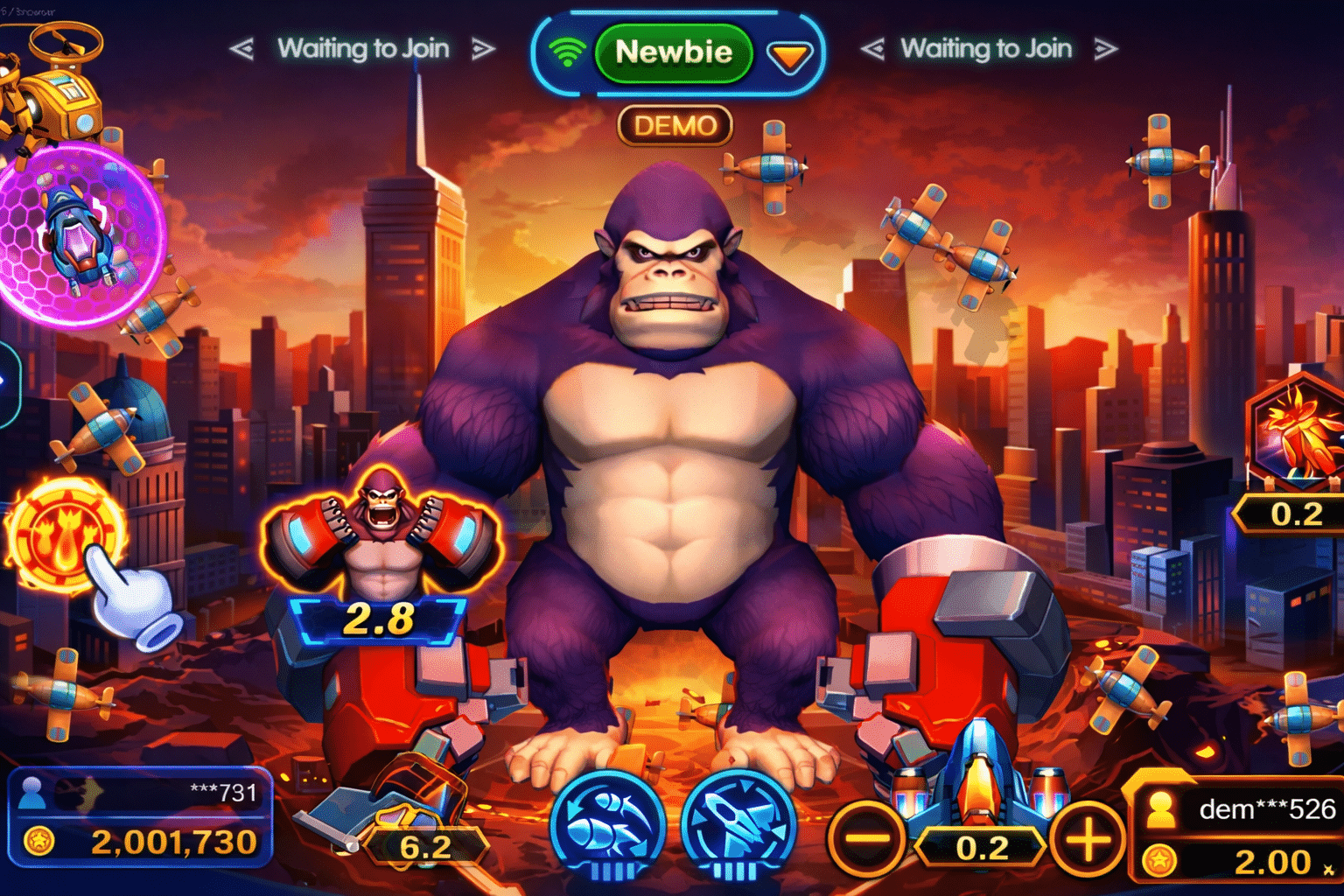
Rather than relying on complex rules, Fighter Fire increases challenge through pacing and density.
As gameplay progresses:
- Enemy movement becomes faster
- Attack patterns become less predictable
- The screen fills with more visual elements
This design keeps experienced players engaged while still allowing new players to understand the basics quickly.
Strategy Concepts (Informational Perspective)
From an analytical standpoint, Fighter Fire rewards observation and control rather than random input.
Effective play concepts include:
- Maintaining safe screen positioning
- Anticipating enemy movement patterns
- Managing focus during high-density moments
- Avoiding unnecessary risks when the screen is crowded
These concepts are often discussed in demo environments as examples of action-game logic rather than competitive instruction.
Why Fighter Fire Is Popular on Demo Platforms
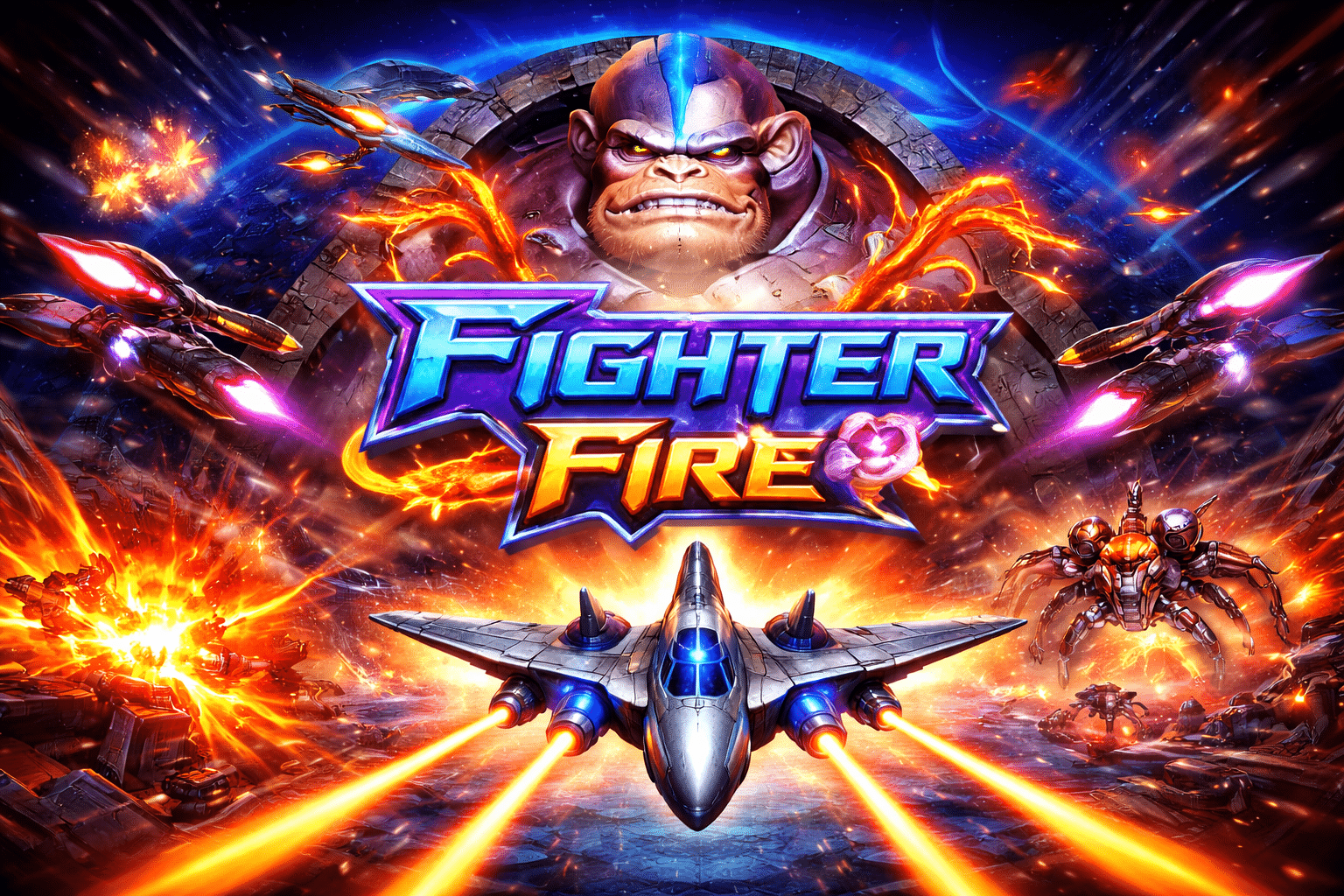
Fighter-Fire is frequently featured on UI demo and informational platforms because it clearly demonstrates how arcade action games are built.
Reasons for its popularity include:
- Instantly understandable mechanics
- High visual engagement
- Minimal learning curve
- Strong replay value
For designers and researchers, it serves as a reference for pacing, feedback, and visual clarity.
Informational and Demonstration Purpose
It is important to note that on informational platforms, Fighter-Fire is presented strictly for demonstration and educational purposes. The content focuses on illustrating gameplay structure, interface layout, and visual design rather than promoting real participation or financial interaction. This approach allows viewers to study how the game is designed and presented, making it suitable for reference, research, and general understanding.
This includes:
- Showcasing interface design
- Explaining gameplay flow
- Analyzing visual feedback systems
- Observing player interaction models
The content does not represent real-money participation or financial outcomes.
User Experience and Engagement
Fighter-Fire is built to provide fast and satisfying interactions, where every movement and attack is followed by an immediate visual or sound response. This instant feedback helps players clearly understand the result of each action, keeping the experience dynamic and engaging. By minimizing delays between input and outcome, the game maintains a steady rhythm that encourages continued play and sustained attention throughout each session.
User experience highlights include:
- Clear cause-and-effect visuals
- Smooth animations
- Consistent control response
- Short, repeatable sessions
These qualities make the game suitable for casual exploration and UI study.
Comparison With Similar Arcade Shooters
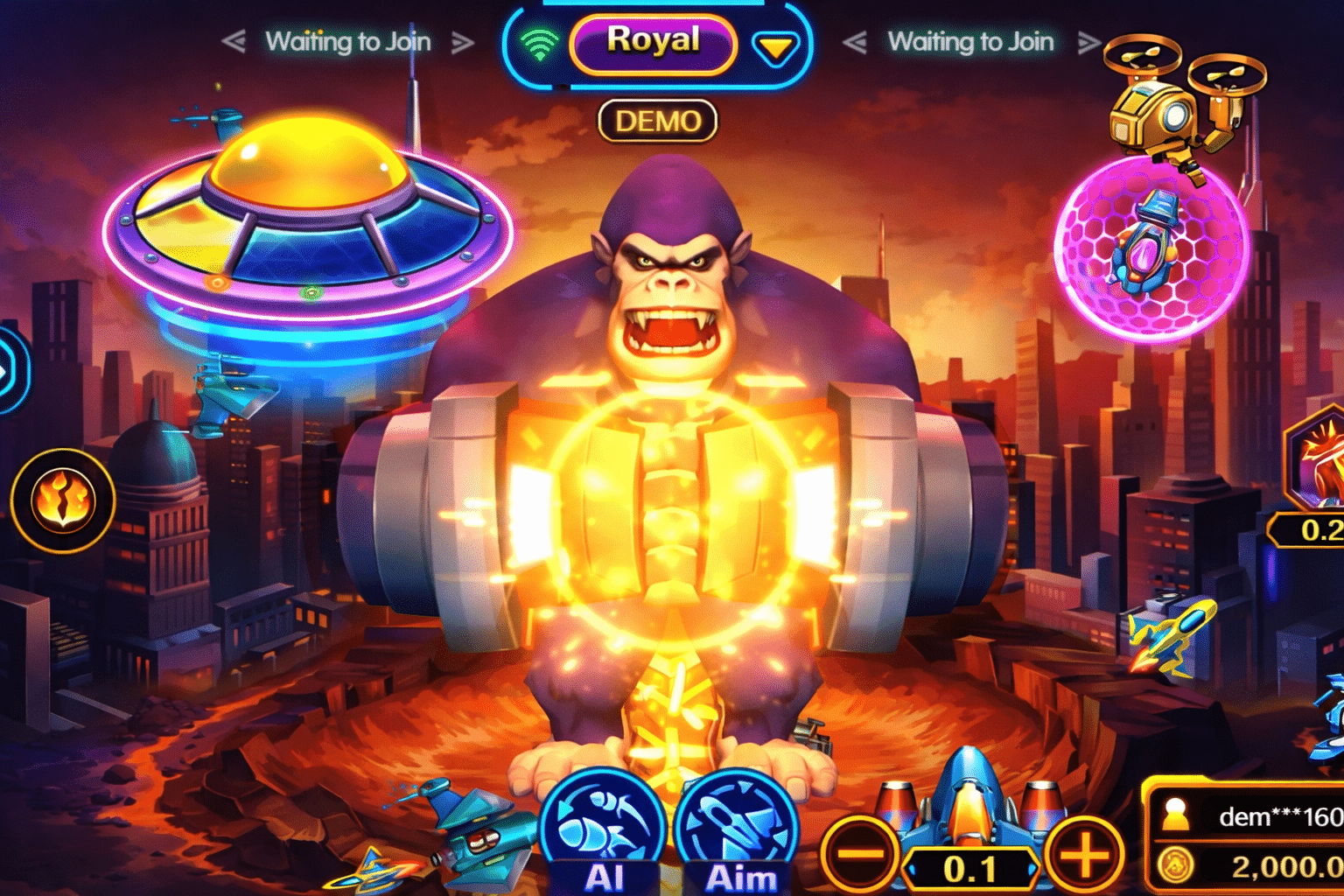
Compared to other arcade shooting games, Fighter-Fire stands out due to its balance between simplicity and intensity.
While some games rely on complex upgrade systems, Fighter Fire focuses on:
- Clean mechanics
- Fast reactions
- Visual clarity
This makes it particularly valuable as a reference model for modern arcade game design, as it demonstrates how fast-paced action, clear visual feedback, and simplified mechanics can work together to create an engaging experience. By balancing intensity with readability, the game shows how designers can attract players quickly while maintaining smooth gameplay flow and visual clarity, which are key elements in contemporary arcade-style interfaces.
Conclusion
Fighter-Fire represents a classic yet modern approach to arcade-style action games. With its straightforward controls, dynamic visuals, and continuous flow, it demonstrates how engaging gameplay can be achieved without unnecessary complexity.
On informational and demo platforms, Fighter Fire is valued for its clear structure and easy-to-analyze mechanics. Whether viewed from a design, educational, or entertainment perspective, the game offers insight into how action-based systems capture attention and maintain engagement.
As a visual and mechanical reference, Fighter Fire continues to be a strong example of effective arcade game design in today’s digital entertainment landscape.